
Cyprus in 2026: Limassol, Ancient Landmarks and Europe’s First Integrated Casino Resort
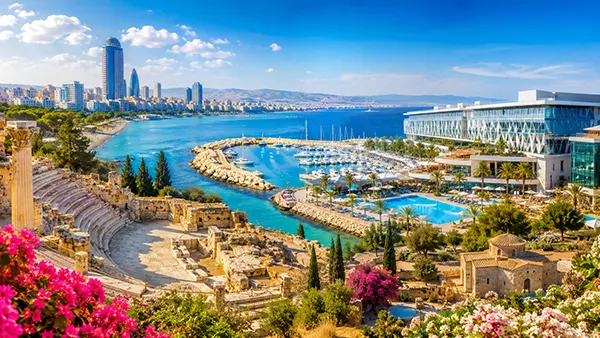
In 2026, Cyprus remains one of the Mediterranean’s most diverse travel destinations, combining seaside leisure, archaeological heritage and modern entertainment infrastructure. The island continues to attract visitors interested in history, gastronomy, beaches and cultural experiences. Limassol, located on the southern coast, has strengthened its position as one of the country’s leading tourism centres thanks to ongoing investment, improved transport connections and the presence of Europe’s first integrated casino resort. At the same time, ancient cities, UNESCO-listed sites and traditional villages continue to play a central role in the visitor experience.
Limassol as Cyprus’s Modern Tourism Hub
Limassol has developed significantly over the past decade and is now regarded as Cyprus’s second-largest urban area and an important business and tourism destination. The city combines a modern marina, a long seafront promenade, luxury hotels and traditional neighbourhoods. Visitors arriving in 2026 can expect a well-developed tourism infrastructure that caters to different budgets and travel styles.
The Limassol Marina remains one of the city’s most recognisable landmarks. It accommodates private yachts from across Europe and the Middle East while offering restaurants, cafés and retail facilities. The nearby Old Port area continues to serve as a popular meeting point for residents and tourists, creating a contrast between historic architecture and contemporary waterfront development.
Another reason for Limassol’s popularity is its strategic location. Travellers can easily reach archaeological sites, mountain villages and beaches from the city within a relatively short drive. This accessibility makes Limassol an effective base for exploring different regions of Cyprus without changing accommodation throughout a trip.
Life Along the Limassol Coast
The city’s coastal zone stretches for many kilometres and includes organised beaches with sunbeds, water sports facilities and family-friendly areas. Beaches such as Dasoudi, Lady’s Mile and Governor’s Beach continue to attract both local residents and international visitors during the extended Mediterranean summer season.
Restaurants along the coast showcase a mixture of Cypriot and international cuisine. Fresh seafood, halloumi, grilled meats and local wines remain important parts of the culinary scene. Many establishments increasingly focus on locally sourced ingredients, reflecting growing interest in sustainable tourism practices.
Evening life in Limassol is equally diverse. Visitors can choose between traditional tavernas, rooftop bars, cultural events and seasonal festivals. The city’s atmosphere tends to be more cosmopolitan than in many other parts of Cyprus, making it particularly attractive to younger travellers and international professionals.
Ancient Landmarks That Continue to Define Cyprus
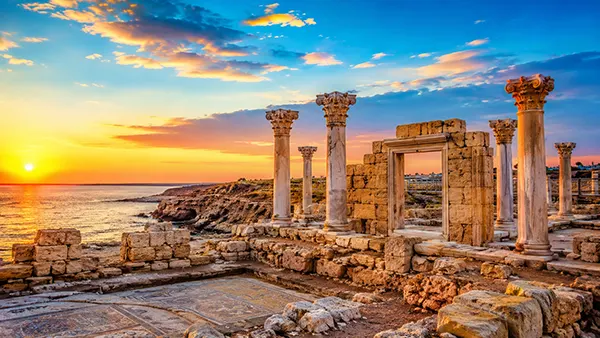
Despite modern development, Cyprus remains deeply connected to its ancient past. Archaeological attractions continue to rank among the country’s most visited sites in 2026. These locations provide insight into Greek, Roman, Byzantine and medieval influences that shaped the island over many centuries.
One of the most important historical sites near Limassol is Kourion. Situated on a hill overlooking the Mediterranean Sea, the ancient city features a well-preserved Greco-Roman theatre, mosaic floors and remnants of public buildings. The site remains a significant example of classical urban planning in the eastern Mediterranean region.
Another major attraction is the Archaeological Park of Paphos, recognised as a UNESCO World Heritage Site. Visitors can view detailed Roman mosaics, ancient villas and structures dating back thousands of years. The site continues to attract historians, students and cultural tourists from across Europe.
Historical Routes Beyond the Major Cities
Travellers interested in cultural heritage often extend their journeys into rural regions. Villages located in the Troodos Mountains preserve traditional stone architecture, historic churches and local crafts. These communities offer a different perspective on Cypriot history compared with the coastal resorts.
The Painted Churches of the Troodos Region remain among the island’s most important religious landmarks. Several of these churches are UNESCO-listed and contain Byzantine frescoes that date from the 11th to the 16th centuries. Their preservation provides valuable evidence of medieval artistic traditions.
Many visitors combine archaeological excursions with wine tourism. Cyprus is one of the oldest wine-producing regions in the world, and routes connecting vineyards, monasteries and historic settlements continue to gain popularity among travellers seeking authentic cultural experiences.
Europe’s First Integrated Casino Resort and Its Impact
A significant development in Cyprus’s tourism sector is City of Dreams Mediterranean, located near Limassol. Opened as Europe’s first integrated casino resort, the complex has become a major contributor to tourism, hospitality and employment. By 2026, it remains one of the most discussed tourism investments on the island.
The resort combines accommodation, conference facilities, entertainment venues, restaurants, retail outlets and gaming areas within a single destination. Its scale distinguishes it from traditional casino venues commonly found elsewhere in Europe. The property also hosts international business events and conferences, attracting visitors outside the peak holiday season.
Industry analysts note that the integrated resort has contributed to the diversification of Cyprus’s tourism offering. While beach holidays remain important, the island increasingly attracts visitors interested in entertainment, corporate events and luxury travel. This broader appeal helps support tourism throughout the year rather than concentrating activity solely during summer months.
The Future of Tourism in Cyprus
Tourism authorities continue to focus on balancing growth with sustainability. Investments in environmental protection, heritage preservation and infrastructure upgrades are intended to support long-term development without compromising the island’s cultural and natural assets.
Digital services have also become more important for travellers. Mobile ticketing, online reservation systems and improved visitor information tools make it easier to plan trips and access attractions across Cyprus. These developments support both independent travellers and organised tour groups.
Looking ahead, Cyprus in 2026 offers a combination that few Mediterranean destinations can match. Modern urban development, internationally recognised heritage sites and Europe’s first integrated casino resort exist alongside traditional villages, coastal landscapes and centuries of cultural history. This variety continues to make the island an attractive destination for visitors seeking more than a conventional beach holiday.