
Andorra in Winter: Combining Skiing, Shopping, and Evening Leisure
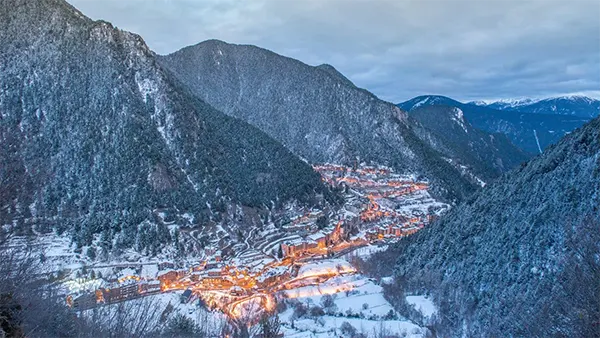
Andorra in winter offers a compact yet varied travel experience where alpine slopes, duty-free shopping, and lively evening options sit within a short distance of each other. This small Pyrenean country has built a reputation as a practical destination for travellers who want more than just skiing. With modern ski resorts, accessible retail zones, and a well-developed hospitality sector, it allows visitors to structure their days efficiently without long transfers or logistical complexity.
Ski Resorts and Mountain Infrastructure
The backbone of Andorra’s winter appeal lies in its two main ski areas: Grandvalira and Pal Arinsal. Grandvalira is the largest in the Pyrenees, offering over 200 km of pistes, while Pal Arinsal provides a more compact layout that suits beginners and families. Both areas are well-connected by modern lifts, and queues are generally shorter compared to Alpine resorts.
Snow reliability has improved in recent years due to extensive artificial snow systems. By 2026, most main pistes are supported by snow cannons, ensuring consistent conditions from December through March. Ski schools operate in multiple languages, and equipment rental is streamlined with online booking options, reducing time spent in queues.
Accessibility is another practical advantage. Transfers from Barcelona or Toulouse typically take around three hours, making Andorra a realistic option even for shorter trips. Once in the country, distances between accommodation, lifts, and towns are minimal, allowing visitors to maximise time on the slopes.
Choosing the Right Area for Your Stay
Grandvalira suits those looking for variety and long ski days, with sectors such as Soldeu and El Tarter offering a balance of accommodation and access to lifts. These areas are particularly popular among intermediate skiers due to their wide, well-groomed runs.
Pal Arinsal, on the other hand, is often preferred by beginners or those travelling with children. The layout is easier to navigate, and the atmosphere is more relaxed. It also tends to be slightly more affordable in terms of accommodation and lift passes.
For travellers focused on convenience, staying in Andorra la Vella or Escaldes-Engordany allows quick access to shopping and evening activities, though daily transport to ski areas will be required. Public buses and hotel shuttles operate regularly, making this option manageable.
Shopping: Duty-Free Advantages and Retail Zones
Andorra’s duty-free status remains one of its key economic features. Visitors benefit from reduced taxes on electronics, perfumes, alcohol, and fashion items. Prices are often lower than in neighbouring France or Spain, though the difference varies depending on product category.
The main shopping streets are concentrated in Andorra la Vella and Escaldes-Engordany. Avinguda Meritxell and Avinguda Carlemany form a continuous retail corridor with a mix of international brands and local shops. Opening hours are longer than in many European cities, often extending into the evening.
Seasonal sales during winter can provide additional savings, especially in January and February. However, it is worth noting that popular items may sell out quickly during peak tourist periods, particularly around holidays and weekends.
What to Buy and How to Plan Purchases
Electronics and cosmetics are among the most commonly purchased items due to favourable pricing. Perfumes and skincare products often show noticeable savings compared to EU retail prices, making them a frequent choice for visitors.
Sports equipment is another category worth considering. Many shops specialise in ski gear, offering competitive prices on clothing and accessories. Some stores also provide tax refund documentation for non-EU residents, adding further value.
To make the most of shopping time, it is practical to allocate a dedicated afternoon or evening rather than attempting quick visits between ski sessions. Shops are centrally located, allowing efficient navigation without the need for transport.
Evening Leisure and Après-Ski Culture
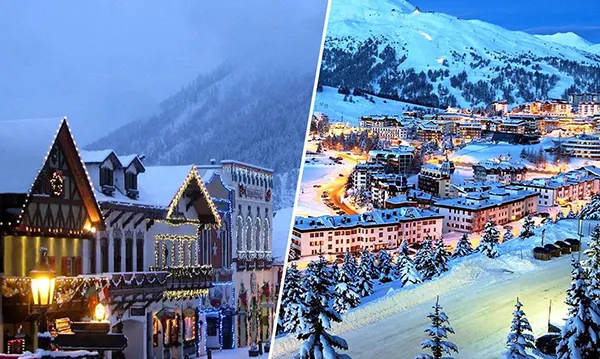
Evenings in Andorra are structured around a mix of dining, wellness, and entertainment. Après-ski begins directly on the slopes in certain areas, particularly in Grandvalira, where bars near lift stations offer music and drinks in the late afternoon.
Restaurants across the country range from traditional mountain cuisine to international options. Local dishes such as trinxat and grilled meats are commonly featured, while urban areas provide a broader selection including Italian, Asian, and Mediterranean menus.
Thermal wellness centres, especially Caldea, have become a defining feature of Andorra’s evening offering. These complexes combine indoor and outdoor pools with spa treatments, providing a quieter alternative to nightlife after a day on the slopes.
Balancing Activity and Relaxation
Travellers often combine early evening dining with later visits to wellness centres. Booking in advance is recommended during peak season, as popular time slots fill quickly. This approach allows for recovery after skiing while still making use of evening hours.
For those interested in nightlife, Andorra la Vella offers bars and clubs with a moderate but consistent scene. It is less intense than major European cities but sufficient for visitors looking for social activity without overcrowding.
Planning evenings in advance helps maintain balance throughout the trip. Alternating between active nights and quieter options such as spa visits or relaxed dinners ensures a sustainable pace, particularly during longer stays.