
Rila Monastery, Bulgaria: Why This Sacred Site Deserves Its Own Cultural Route
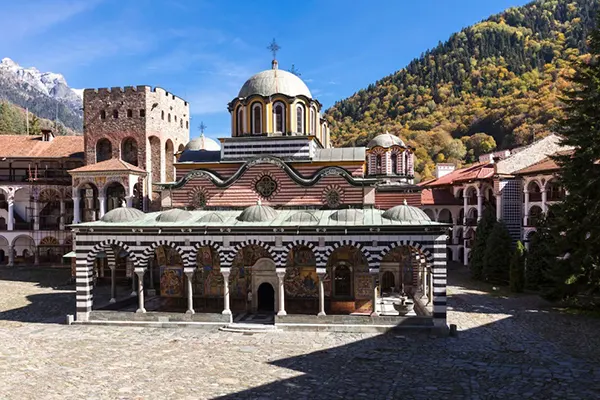
Rila Monastery is not just another historical landmark in Bulgaria; it is a living cultural and spiritual centre that reflects centuries of history, art, and national identity. Located in the Rila Mountains, about 120 kilometres south of Sofia, the monastery has been recognised as a UNESCO World Heritage Site and continues to attract visitors who seek both historical understanding and a meaningful travel experience. Its scale, preserved architecture, and cultural significance make it worthy of a dedicated itinerary rather than a brief stop on a general tour.
Historical Significance and Cultural Role
Founded in the 10th century by Saint Ivan of Rila, the monastery quickly became one of the most important spiritual centres in the region. Over the centuries, it survived invasions, fires, and political changes, maintaining its role as a symbol of Bulgarian identity during periods of foreign rule, particularly under the Ottoman Empire.
The monastery served not only as a religious institution but also as a centre of education and literacy. Monks preserved manuscripts, translated texts, and contributed to the development of Bulgarian culture during times when national identity was under pressure. This historical function adds depth to any visit, especially for travellers interested in cultural resilience.
Today, Rila Monastery continues to function as an active monastery, which adds authenticity to the experience. Visitors can observe daily religious practices while exploring the site, creating a connection between past and present rather than viewing it as a static museum.
Architectural Features and Artistic Heritage
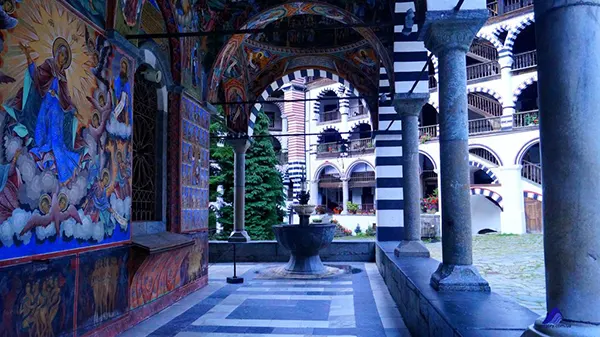
The architecture of Rila Monastery reflects a blend of medieval and Bulgarian Revival styles. The complex is centred around a large courtyard surrounded by multi-storey buildings with distinctive arcades and wooden balconies, creating a visually cohesive structure that is both functional and aesthetically refined.
The main church, the Nativity of the Virgin, is particularly notable for its richly decorated interior. Frescoes painted in the 19th century cover nearly every surface, depicting biblical scenes, moral lessons, and symbolic imagery. These works are not only religious but also artistic expressions that reflect the cultural revival of Bulgaria during that period.
In addition to frescoes, the monastery houses a museum with artefacts such as icons, manuscripts, and the famous Rafail’s Cross — a finely carved wooden cross that demonstrates exceptional craftsmanship. These elements collectively justify spending extended time at the site rather than limiting the visit to a short stop.
Why It Deserves a Dedicated Cultural Route
Many travellers include Rila Monastery as part of a day trip from Sofia, but this approach often limits the depth of the experience. The surrounding region offers a range of cultural and natural sites that complement the monastery and create a more comprehensive itinerary.
The Rila Mountains themselves are a major attraction, with hiking trails, glacial lakes, and panoramic viewpoints. Combining the monastery visit with outdoor exploration allows travellers to understand the geographical context that influenced monastic life and isolation.
Nearby villages and smaller monasteries also contribute to a broader cultural route. These locations provide insight into local traditions, architecture, and daily life, offering a more complete picture of the region beyond the main attraction.
Practical Travel Considerations
Planning a dedicated route around Rila Monastery requires attention to timing and logistics. The site is accessible by road, but public transport options are limited, making a car or organised tour the most practical choice for most visitors.
Accommodation is available both within the monastery complex and in nearby guesthouses. Staying overnight allows visitors to experience the site outside peak tourist hours, which significantly changes the atmosphere and provides a quieter, more reflective environment.
It is also important to consider seasonal factors. Summer offers the best access to hiking routes, while autumn provides fewer crowds and a different visual experience with changing landscapes. Winter visits are possible but require preparation due to weather conditions in the mountains.
Modern Relevance and Visitor Experience in 2026
As of 2026, Rila Monastery remains one of the most visited cultural sites in Bulgaria, supported by ongoing conservation efforts and improved visitor infrastructure. Digital guides, updated signage, and multilingual resources have made the site more accessible to international travellers.
Despite these updates, the monastery has retained its authenticity. Regulations limit commercialisation within the complex, preserving its original character. This balance between accessibility and preservation is one of the reasons it continues to attract culturally focused tourism.
The visitor experience today is shaped by both historical depth and practical improvements. Facilities such as parking areas, information centres, and guided tours are designed to support longer stays, reinforcing the idea that the monastery is best explored as part of a dedicated route.
Tips for a Meaningful Visit
To gain a deeper understanding of the site, it is advisable to allocate at least half a day, preferably more. Rushing through the monastery often results in missing important details, particularly within the museum and the church interiors.
Engaging with local guides can significantly enhance the experience. They provide context that is not always evident from written materials, including historical anecdotes and explanations of symbolic elements in the artwork.
Finally, respecting the religious nature of the site is essential. Appropriate dress and behaviour are expected, as the monastery is still an active place of worship. This awareness contributes to a more respectful and immersive visit.