
Montenegro: Adriatic Coast and the Bay of Kotor — 5 Days Based in Budva or Tivat
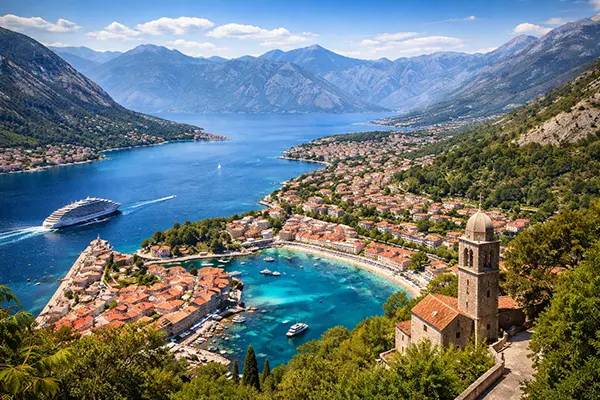
Montenegro is compact, scenic and surprisingly diverse. Within a short driving radius you move from Venetian stone towns to mountain panoramas, from quiet coves to open Adriatic beaches. A five-day itinerary based in Budva or Tivat allows you to combine the Bay of Kotor, Lovćen National Park and Lake Skadar without constant hotel changes. This guide sets out a practical route, realistic travel times in 2026, options with and without a car, and a balanced approach to evening entertainment so that the trip remains restorative rather than exhausting.
Kotor and Perast: Venetian Heritage and Bay Landscapes
Start with Kotor, a UNESCO-listed town enclosed by medieval walls at the end of the Bay of Kotor. Arrive early, ideally before 9am in high season (May–September), to walk the Old Town streets before cruise passengers disperse. Key landmarks include St Tryphon’s Cathedral (12th century), the Maritime Museum, and the climb to the Fortress of St John. The ascent takes 60–90 minutes return and involves over 1,300 steps; bring water and proper footwear. In summer 2026, entrance control points remain in place, and modest fees may apply during peak hours.
Perast, 20 minutes by car from Kotor, offers a quieter contrast. The waterfront palaces reflect the town’s former maritime wealth under Venetian rule. Boats run regularly to Our Lady of the Rocks, a man-made islet with a 17th-century church and small museum. Expect short crossings (around 5 minutes) and frequent departures throughout the day. Swimming spots around Perast are limited to stone jetties rather than sandy beaches, so plan accordingly.
If you are based in Tivat, both Kotor and Perast are within easy reach by car (15–25 minutes outside rush hour). From Budva, allow 30–45 minutes depending on traffic and the tunnel near Kotor. During July and August, congestion can add significant delays between 10am and 5pm, so early departures save time.
Practical Logistics: With and Without a Car
Without a car, public buses connect Budva, Kotor and Tivat several times daily. In 2026, services remain frequent in summer, though timetables thin out in shoulder seasons. Journey times range from 30 to 60 minutes depending on stops. Tickets are inexpensive but expect standing room during peak hours. For Perast, you may need to travel via Kotor and continue by local bus or taxi.
With a car, you gain flexibility to stop at viewpoints along the bay road and adjust your schedule around cruise arrivals. Parking in Kotor Old Town is limited; official car parks outside the walls charge hourly rates. In Perast, roadside parking is tightly controlled in summer. Renting a small vehicle is practical, as streets are narrow and manoeuvring space is limited.
Taxis and ride services operate in the main coastal towns, but prices rise during festivals and late evenings. If you plan to combine Kotor with Lovćen on the same day, a car saves several hours and avoids complex bus transfers through Cetinje.
Lovćen and Cetinje: Mountain Roads and National Identity
From the coast, the serpentine road up to Lovćen National Park reveals the dramatic geography of Montenegro. The climb from Kotor involves 25 hairpin bends with panoramic stops overlooking the bay. Driving time is about 1 hour from Kotor or 1.5 hours from Budva. Weather can shift quickly at altitude, even in summer, so carry a light jacket.
The Njegoš Mausoleum, situated at 1,657 metres, commemorates Petar II Petrović-Njegoš, a key figure in Montenegrin history. Reaching the mausoleum requires climbing additional steps from the parking area. On clear days, visibility stretches across the Adriatic towards Italy. Entrance fees apply and are typically modest; bring cash as card facilities may not always be available.
Cetinje, the former royal capital, lies at the foot of Lovćen. Its compact centre houses the Cetinje Monastery and several museums within former embassies. Spending 1–2 hours here adds historical context and breaks up the mountain drive.
Timing the Route and Saving Energy
Combining Lovćen and Cetinje with Kotor in one day is feasible with a car if you start early. Plan for a full day of 7–9 hours including stops. Without a car, guided excursions from Budva or Kotor simplify logistics and often include transport, commentary and fixed photo stops. These tours usually last 6–8 hours.
If you prefer slower travel, dedicate a separate day to Lovćen and Cetinje. Mountain roads demand concentration; avoid driving them after dark, especially if you are unfamiliar with narrow cliff-edge routes. In peak summer, heat on the coast contrasts with cooler mountain air, which can be refreshing but requires layered clothing.
From Tivat, access to Lovćen via Kotor is straightforward. From Budva, you may route through Cetinje first. Check local traffic updates, as roadworks occasionally affect sections of the mountain route.
Lake Skadar and the Budva Riviera: Water, Beaches and Evenings
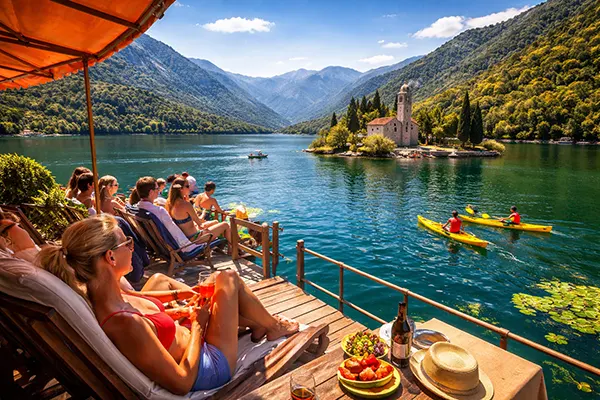
Lake Skadar, shared between Montenegro and Albania, is the largest lake in the Balkans. The main Montenegrin gateway is Virpazar, around 45 minutes by car from Budva and roughly 1 hour from Tivat. The area is known for birdlife, wetlands and small fishing villages. Boat trips of 2–3 hours navigate narrow channels and open water, with opportunities for swimming in designated areas during summer.
National park fees apply and are usually included in organised boat tours. Early morning departures offer calmer water and better birdwatching conditions. In high season, pre-booking is sensible, particularly at weekends. Without a car, reaching Virpazar by train from Sutomore or Podgorica is possible, but connections from Budva are less direct, making organised transport more convenient.
Back on the coast, Budva combines beaches and nightlife. The Old Town provides restaurants within historic walls, while Slovenska Plaža and Mogren beaches are within walking distance. Sveti Stefan, 15 minutes south of Budva by car, remains one of the Adriatic’s most recognisable islets, though access to the island itself is restricted; visitors use the public beaches nearby.
Evening Entertainment Without Overdoing It
Montenegro’s coastal towns offer bars, open-air clubs and seasonal festivals, particularly in Budva. To avoid turning the trip into a sequence of late nights, set a simple rhythm: choose two evenings for more lively outings and keep the remaining nights relaxed. A waterfront dinner in Kotor or Tivat, followed by a short stroll, often proves more restorative than a full night out.
In Budva, peak nightlife centres around the Old Town and beachfront clubs operating from late May to September. Arrive before midnight to avoid queues, and consider transport back to your accommodation in advance. If you are based in Tivat, Porto Montenegro provides a calmer evening setting with restaurants and occasional cultural events.
Balance is key. Coastal heat, daytime excursions and mountain drives demand energy. Hydration, moderate alcohol intake and at least one early night will make the five-day itinerary sustainable. The result is a trip that combines architecture, landscape and measured evening enjoyment without fatigue overshadowing the experience.