
Batumi (Georgia) in 2026: Seaside Break, Nightlife and Legal Casinos — a 3-Day Route

Batumi is the kind of city where a morning swim and an evening out can sit in the same day without feeling forced. The seafront is built for long walks, the food scene is easy to navigate even for first-time visitors, and the nightlife ranges from low-key wine bars to hotel casinos that operate legally under Georgian rules. This itinerary is written for 2026 realities: how people actually arrive, where it makes sense to stay by area, and what to expect at the door if you decide to step into a casino. Each evening also includes options if you want the energy of the city without gambling.
Day 1: Old Boulevard and the Classic Seafront Loop
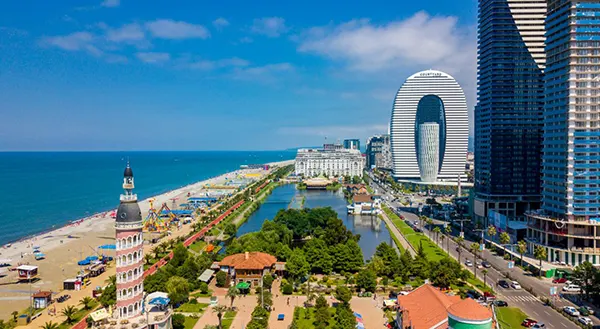
Morning: start on Batumi Boulevard while it’s still quiet. Walk from the Old Boulevard section towards the Dancing Fountains area, then cut back through the small parks and coffee kiosks. If you want a quick “first photo” moment, aim for the skyline view across the water, then take a short detour to the port-side promenade for a different angle on the city.
Afternoon: keep your first day simple and central. Old Town is good for orientation because everything is walkable: the Europe Square area, short streets with cafés, and small museums if the weather turns. For lunch, this is the day to try Adjara’s staples (khachapuri adjaruli is the obvious one, but balance it with something lighter afterwards if you plan a late night).
Evening: go back to the water for sunset, then choose your pace. If you want nightlife without committing to anything, pick one place for dinner, then one place for a drink—Batumi works best when you don’t over-plan the first night. If you’re staying near the boulevard, you can keep everything on foot and avoid taxis altogether.
Day 1 Night: First Casino Visit (or a No-Casino Alternative)
If you want to see what a Batumi casino feels like, the most straightforward choice is a casino inside a major hotel. In practical terms it means better lighting, clearer security, and easier navigation if you’re new to the city. Bring a passport or a photo ID and expect a short registration step before you can play. Foreign visitors are typically admitted from 18+, while Georgian citizens face a higher legal age threshold.
Dress code is usually “smart casual” rather than formal: think closed shoes and clothes you’d wear to a decent dinner. Staff can refuse entry if someone looks disruptive or very underdressed, so it’s safer to avoid beachwear straight from the promenade. Inside, basic etiquette is simple: don’t film other people, keep your phone use discreet at tables, and ask staff before taking any photos.
No-casino alternative: swap the gaming floor for live music, a late dessert stop, or a long night walk along the lit section of the boulevard. Batumi’s night atmosphere is a big part of the trip on its own, and you don’t need to gamble to get the “after-dark” energy—especially around the central seafront and Old Town where places stay open late.
Day 2: Botanical Garden, Local Food, and a Longer Evening Out
Morning: plan this as your “green” day. Batumi Botanical Garden is one of the best daytime picks near the city, especially if you want a break from concrete and beach pebbles. Go early to avoid the busiest hours and give yourself time to walk the paths without rushing. Bring water and wear shoes you can comfortably walk in—this isn’t a five-minute stop.
Afternoon: return to town and make time for a proper food-focused stretch. If you like markets, this is the day for them: buy fruit, spices, or small snacks for later, then sit down for something local rather than defaulting to international menus. Batumi is at its best when you treat the city as a series of short, pleasant stops instead of one long checklist.
Evening: if you want a bigger night out, do it on Day 2 when you already know your bearings. Start with dinner, then move to a bar area rather than bouncing randomly between venues. Keep your route simple—one neighbourhood, a few places—and your night will feel smoother and safer.
Day 2 Night: Casino Rules, ID Checks, and Responsible Play in Practice
In 2026, the most important detail is that Georgia has tightened gambling access rules for locals, and venues check ages and IDs more carefully than they used to. For visitors, the common pattern is still: passport/photo ID at the door, quick registration, then access to slots and table games. If you’re travelling with Georgian friends aged under the legal local threshold, don’t assume they can join you—rules differ for citizens and foreign visitors.
Set your limits before you walk in. The easiest way is to decide on a fixed amount you’re comfortable spending for entertainment, then leave the rest of your cash/cards at the hotel. If you drink, keep it moderate—casinos are designed to make time feel slippery, and combining alcohol with gambling is how people lose track fastest. If you find yourself chasing losses, step out for air and treat that as your signal to stop for the night.
No-casino alternative: book a late meal, try a hookah lounge if that’s your scene, or choose a night cruise-style walk—Ali and Nino is a popular late-evening stop because it’s outdoors, iconic, and works even if you only have 20 minutes. You still get a “Batumi at night” memory without spending money on games.
Day 3: South Coast (Gonio/Kvariati) or a Slow City Finish
Morning: if the weather is good, go south of the centre to Gonio or Kvariati for a beach morning that feels less urban. The coastline is the point here: you’re trading skyline views for more open sea. Go early, swim, and keep expectations realistic about the beach type—this part of the Black Sea coast is more pebbles than soft sand.
Afternoon: come back to Batumi for a slow final loop: cafés you bookmarked, small shops, or a final stroll along the boulevard. If you didn’t do Old Town properly on Day 1, this is your second chance to explore it without pressure. This also works well as a “rain plan” day because you can adapt it quickly if the sky changes.
Evening: finish with something that matches your travel style. If you love nightlife, you can repeat what worked on Day 2. If you’re more into calm evenings, pick one good restaurant and treat the last night as a proper sit-down meal rather than a crawl. Either way, keep some buffer time for packing and an easy morning departure.
Day 3 Night: Where to Stay by Area, and How to Get In and Out Smoothly
For a first visit, staying central saves time. Old Town suits travellers who want restaurants, walking streets and quick access to sights; Old Boulevard puts you on the classic seafront; New Boulevard is usually more modern with newer towers and longer walks to the older centre, but it can be good value for longer stays. If you want a quieter beach feel, consider the areas further out (Gonio/Kvariati) and accept that you’ll rely more on taxis.
Getting to Batumi in practice often comes down to three routes: fly into Batumi Airport for the shortest transfer, fly into Kutaisi for more flight options and continue by bus/train/car, or come overland from Tbilisi by rail. The Tbilisi–Batumi train is popular because it’s direct and time-predictable, while Kutaisi routes give you flexibility if your flight lands at awkward hours. Always double-check your departure time close to travel dates—seasonality does affect transport choices.
One more 2026-specific admin note: entry rules can include paperwork changes, and official guidance should be checked before travel. From 1 January 2026, Georgia requires tourists entering the country to hold valid health and accident insurance, so it’s sensible to have a policy document (digital or printed) ready in case you’re asked at the border. It’s not a dramatic extra step, but it’s the kind of detail that can ruin a first day if you ignore it.