
Petra (Jordan): the ancient city in the rocks and how to visit it in 2025
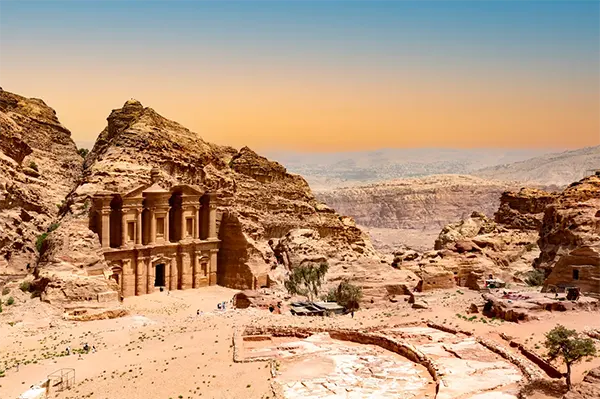
Petra is one of those places that looks unreal in photos, yet it’s very much a living archaeological site with rules, ticket systems, opening hours, and modern visitor infrastructure. Carved into rose-coloured sandstone by the Nabataeans more than two millennia ago, it remains Jordan’s headline heritage attraction and a UNESCO-listed site. In 2025, visiting Petra is straightforward if you plan the practical details in advance—especially tickets, timings, walking distances, and how you want to experience the wider area beyond the Treasury.
Planning your Petra day: tickets, passes and essential rules
The first thing to pin down is your ticket type. Official entry fees for most visitors who stay in Jordan overnight are priced by duration: a 1-day ticket is 50 JOD, a 2-day ticket is 55 JOD, and a 3-day ticket is 60 JOD, with multi-day tickets used on consecutive days. Day-trippers who enter Jordan for a single day are charged a higher fee (90 JOD), which is one reason many travellers build at least one overnight into their itinerary.
Families often appreciate that children under 12 enter free during daylight visiting hours. If you’re travelling with teenagers or a mixed-age group, it’s still worth bringing passports or ID, as ticket desks can request proof of age and nationality. Petra is also strict about consecutive-day use for 2- and 3-day tickets, so it’s best to avoid buying a multi-day ticket if you’re unsure you’ll return the next day.
For travellers who want to reduce admin, the Jordan Pass is a common option because it bundles entry to Petra and other sites, and it can also cover visa fees if you meet the pass conditions. The pass is sold in categories based on how many days you want in Petra (1, 2, or 3), so you can match it to your plan rather than overpaying for days you won’t use.
Where to buy tickets in 2025 and how to avoid common mistakes
You can buy tickets at the site, but in 2025 the official online ticketing route is available via the Petra Development and Tourism Region Authority (PDTRA). Booking online is useful during busy periods because you arrive with a confirmed purchase and don’t spend your first morning queuing at the visitor gate. It also makes it easier to keep a clean record of what you bought if you’re coordinating a group.
If you’re considering the Jordan Pass, buy it before arrival in Jordan and check that it aligns with your itinerary length and entry requirements. The main pitfall I see is travellers buying a pass that includes only one day in Petra, then realising they want a second day for the Monastery and trails. Petra is physically big, so the extra day often feels like money well spent.
Finally, remember that Petra is a protected heritage area. You’ll see plenty of offers for animal rides; some are regulated, some are not, and the welfare standards vary. If you do choose a ride, pick reputable operators, agree the price clearly, and treat it as a short practical assist—not as the default way to move through the site.
Opening hours, best timings and what a realistic itinerary looks like
Petra’s official opening hours vary seasonally, so checking the current schedule before your visit is a must. The official Petra visitor information site publishes the up-to-date hours, and it’s worth treating those as the reference point if you see conflicting advice elsewhere. In practice, arriving early is the simplest way to enjoy the Siq and the Treasury before the larger tour groups build up.
A realistic “one full day” plan in Petra is longer than most people expect. From the entrance you walk through the Siq to the Treasury, then continue through the Street of Facades and the main valley. If you also want to reach the Monastery (Ad Deir), add a significant staircase climb and allow extra time for rest, water breaks, and photo stops. Many visitors underestimate how much time the site absorbs, even without detours.
If you have two days, the experience changes: day one can focus on the classic route, while day two is for viewpoints and hikes. This is often the sweet spot for fit travellers who want more than a quick visit but don’t want the slower pace of a three-day ticket. Two days also gives you flexibility if weather shifts—winter rain or strong summer heat can make certain trails unpleasant at peak hours.
Season, weather and crowd strategy for 2025
For comfort, spring and autumn are usually the easiest seasons to walk Petra: warm daylight, cooler mornings, and less risk of mid-summer heat stress. In summer, it’s still doable, but you’ll want an earlier start, more water than you think you need, and a plan to slow down during the hottest part of the day. In winter, mornings can be cold, and occasional rain can make stone steps and paths slippery.
Crowds are most noticeable from late morning to mid-afternoon, especially around the Treasury and the central valley. If you’re staying in Wadi Musa, aim to enter near opening time and use the first hour for the Siq and Treasury while it’s calmer. Later, when the main viewpoints are busy, you can push deeper into the site where numbers thin out.
Also, check local notices if conditions change, as Petra is in a desert mountain environment where flash-flood warnings can occur after heavy rain. A good guide or local hotel reception can help you understand what’s safe on the day. Planning with a little margin—rather than a minute-by-minute schedule—usually leads to a better experience.
Getting to Petra, staying nearby, and experiencing Petra by Night
Most visitors base themselves in Wadi Musa, the town right by Petra’s main entrance, because it makes early starts and multi-day visits practical. You’ll find hotels across a wide range of budgets, and many will help arrange local taxis, packed breakfasts, and simple transport to trail starting points. If you’re travelling from Amman, expect a longer road journey, while Aqaba can be a convenient base if you’re combining Petra with the Red Sea.
Inside Petra, licensed tour guides can be arranged via the visitor centre, with language options that include English and several European languages. A guide can be genuinely useful if you want historical context beyond the highlights, or if you’re interested in Nabataean engineering, water systems, and the deeper meaning of the carved façades. If you prefer to go independently, a structured self-guided plan (plus a good map) is usually enough for the main route.
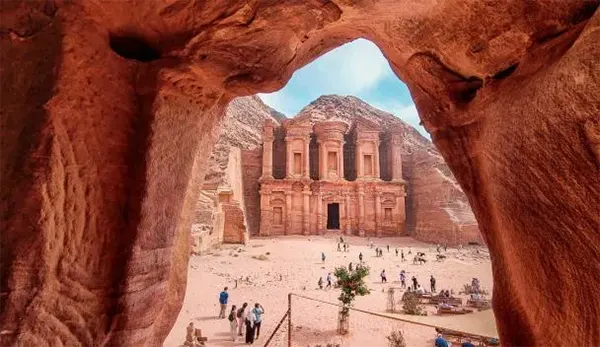
For a different perspective, Petra by Night is a separate evening experience that adds atmosphere without replacing a daytime visit. In 2025, the event has been reimagined to combine candlelit ambience with projection mapping, creating a more curated show element than in earlier years. It’s not essential, but it can be worthwhile if you want to see the Treasury in a very different setting.
Practical details for Petra by Night and responsible travel on site
Petra by Night has its own schedule and ticketing, so treat it as a separate booking from your daytime entry. The official event information highlights that the experience was first launched in 1998 and updated in May 2025, which is helpful context if you’re comparing older reviews with what you’ll see now. If you’re short on time, do the daytime visit first and add the night event only if your energy levels allow.
Because Petra involves long walks over uneven ground, footwear matters more than people expect. Closed-toe walking shoes with grip make a noticeable difference, especially on the Monastery route and on paths with loose sand or polished stone. Carry water, sun protection, and a light layer for late afternoon—even in warmer months, temperatures can drop quickly once the sun leaves the valley.
Finally, Petra is both a world-famous attraction and a place where local communities earn a living. Responsible travel here means paying fair prices, choosing ethical operators, and keeping to marked paths so the site is protected for the future. If you approach the visit with patience and a practical plan, Petra feels less like a checklist stop and more like a full, absorbing day in a remarkable landscape.